
Published by Acre Commercial (ACRE) | September 2026 | Spokane, WA
Estimated read time: 6 minutes | Category: Tenant Advisory
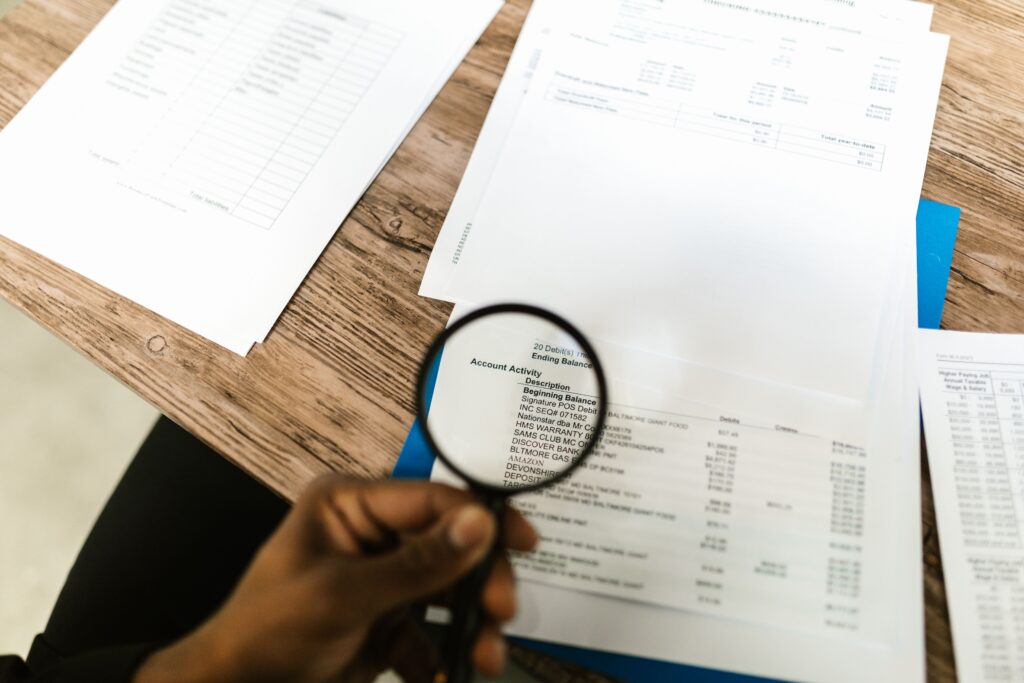
Every spring one email lands in a Spokane business owner’s inbox. The property manager attaches a two-page CAM reconciliation, and at the bottom sits a number you owe. Most tenants just pay it, since a fight looks like more work than the sum is worth.
Now run that back five years while the charges creep up. The total you gave away stops looking small.
CAM charges rank among the least checked costs in any lease. Spokane shops asked $16.79 a square foot triple net in the second quarter of 2026. On top of that rate, common area charges can make up a fifth to two fifths of what you really pay to sit there. Office space quoted at $21.39 gross carries the same costs, tucked inside the rate through a base year that few tenants ever test.
Acre Commercial works for tenants, owners, and buyers in Spokane, Spokane Valley, Kennewick, Post Falls, and Rathdrum. Both seats give us a clear view of where a CAM reconciliation goes wrong. Most of the time, loose lease wording is the cause.
What Your CAM Reconciliation Should Cover
Your CAM reconciliation covers what the landlord spends to run the shared parts of a site. At a typical Inland Northwest strip center, that means lot upkeep and striping, snow work, planting, outside lights, shared power, guards, trash, and a management fee. Insurance and taxes tied to the shared areas belong there too.
Each tenant pays a share, and the landlord works it out as your square feet over the whole leasable square feet of the site.
That fraction is where the first error shows up. Some landlords put leased space on the bottom line when the lease calls for total space, which pushes empty-suite costs onto the tenants who pay. So read the wording with care. A good lease names gross leasable area, full or not.
Snow deserves its own look here. One hard Spokane winter blows that line past budget, so the bill after a heavy season brings the biggest swing most tenants ever see.
The Charges That Creep Into the Column
A few costs turn up in CAM without belonging there. Tight lease wording rules each one out by name.
Big-ticket work billed as upkeep
A new lot, a new roof, or a new HVAC unit counts as a capital item. Good leases either bar capital costs or spread them over the useful life of the work. Under a spread clause, you pay only the yearly slice that falls in your term. Some landlords still bill the whole cost in one year, which drives the worst fights we see.
Landlord back-office costs
A management fee is fair game, and it tends to run 3% to 5% of gross income. Home-office payroll, owner salaries, entity bookkeeping, and asset fees are not. So watch for a management fee sitting next to an admin fee, since the pair often bills one job twice.
Leasing and ad spend
Broker fees, build-out money for other tenants, ads for empty space, and legal work on new leases all sit with the owner. These show up more often than tenants expect.
Costs that belong to one tenant
Say the landlord fixes a dock that only one tenant uses. That cost sits with that tenant alone. So watch for one-tenant repairs spread across the whole center.
Base Year Math in a Gross Lease
Spokane office tenants often sign full service or modified gross leases. The running costs hide inside the quoted rate. The lease names a base year, and later you pay your share of the rise above it.
Two problems keep coming back. First, a low base year pumps up every rise that follows. That happens when the base year lands in a soft stretch with high vacancy and thin spending. So ask for a base year built on a full building, plus a gross-up clause that prices the base year at 95% full.
Second, base year numbers rarely get tested. Ask for the base year detail while you still hold the pen. Asking three years later, mid-fight, gets you far less help.
How to Use Your Audit Rights
Most leases carry an audit clause that covers the CAM reconciliation. Most tenants never use it.
The clause tends to give you a window, often 60 to 120 days after the bill lands, to ask for backup and look at the books. Miss it and you usually give up the year. So put the deadline on your calendar the day the email arrives.
Start with the ledger detail behind each line, because a summary hides too much. Then set this year next to the last two, line by line. Any line that jumps 40% with no story is the fastest route to an error.
Check your share against the real leasable square feet, which county records often confirm. If it still looks off, hire a lease audit firm. Many work on contingency and take a cut of what they win back, so the fee stops being a reason to let it go.
What to Ask For Before You Sign
Your leverage lives at signing. Ask for a cap on the CAM lines the landlord can control, often 4% to 5% a year on a rolling basis. Carve out the lines nobody controls, such as taxes, insurance, and snow.
Ask for a written exclusion list too. It should name capital work, broker fees, owner overhead, and one-tenant costs. Also set a deadline for the yearly bill to arrive, since a statement that shows up eighteen months late is hard to test.
Last, check that the audit clause gives you a real window and lets an outside pro do the work. Some landlord forms limit the audit to your own staff. For a small business with no bookkeeper on payroll, that clause kills the right.
CAM Reconciliation: Common Questions
What is a CAM reconciliation?
A CAM reconciliation is the yearly statement that squares what you paid in monthly estimates against what the landlord actually spent. When real costs run above the estimates, you owe the gap. A year that comes in under budget earns you a credit. The statement should show each cost line, the total for the site, and the share that falls to your suite. Most leases give you a short window after it lands to ask for backup and audit the books.
What is included in CAM charges?
Common area maintenance covers the cost of running shared space. Typical lines include lot upkeep and striping, snow work, planting, outside and common area lights, shared power, trash, guards, and a management fee. Insurance and property taxes tied to shared areas belong there as well. You pay a share based on your square feet against the site’s total leasable area. Still, what counts as billable shifts from lease to lease, so your own document rules.
Can my landlord bill me for a new roof through CAM?
Your lease decides, and a good one either bars capital work or spreads it over its useful life. Under a spread clause, a $200,000 roof with a 20-year life bills out near $10,000 a year. You then pay your share for the years left in your term. A landlord who bills the whole roof in one year usually goes past what the lease allows. So read the capital clause before you pay.
How long do I have to dispute a CAM reconciliation?
Most leases set a window, often 60 to 120 days after the CAM reconciliation lands. In that stretch you can ask for backup and audit the landlord’s books. Miss the date and you usually give up the right to fight that year for good. So calendar it the day the bill arrives, then send a written request for detail well ahead of the cutoff. Holding the right costs you nothing, and you can still drop the audit later.
Is a triple net lease more expensive than a gross lease?
The quoted rate alone tells you little. A $16.79 triple net rate plus a $5.00 CAM load looks higher than a $21.00 gross rate, though the real answer rides on how future rises get handled. Triple net leaves the tenant open to the full climb in costs. A gross lease with a base year caps you at the rise above that year. So run the numbers across the whole term.
How Acre Commercial Helps Tenants Hold Down Occupancy Cost
Acre Commercial works for business tenants in Spokane, Spokane Valley, Kennewick, Post Falls, and Rathdrum. We also manage sites for owners. That second seat shows us how a CAM reconciliation gets built and where the soft spots hide.
Our tenant work starts before you sign. At that point the CAM wording, the exclusion list, the cap, and the audit clause are all open. We also set a quoted CAM load against nearby sites, so you learn whether the number fits the building type.
For tenants already under lease, we read the statement and flag lines worth a second look. Should a full audit make sense, we can point you to firms that do that work.
Contact Acre Commercial: 43560.com
Rent ranks second or third among costs at most Inland Northwest businesses. Yet the CAM reconciliation goes unread year after year. One afternoon spent with three statements and your lease often turns up enough to pay for the time many times over.
Open the bill and find the audit clause. That window closes faster than you think, so put the date on your calendar today.